Who Can Perform Hair Transplants?
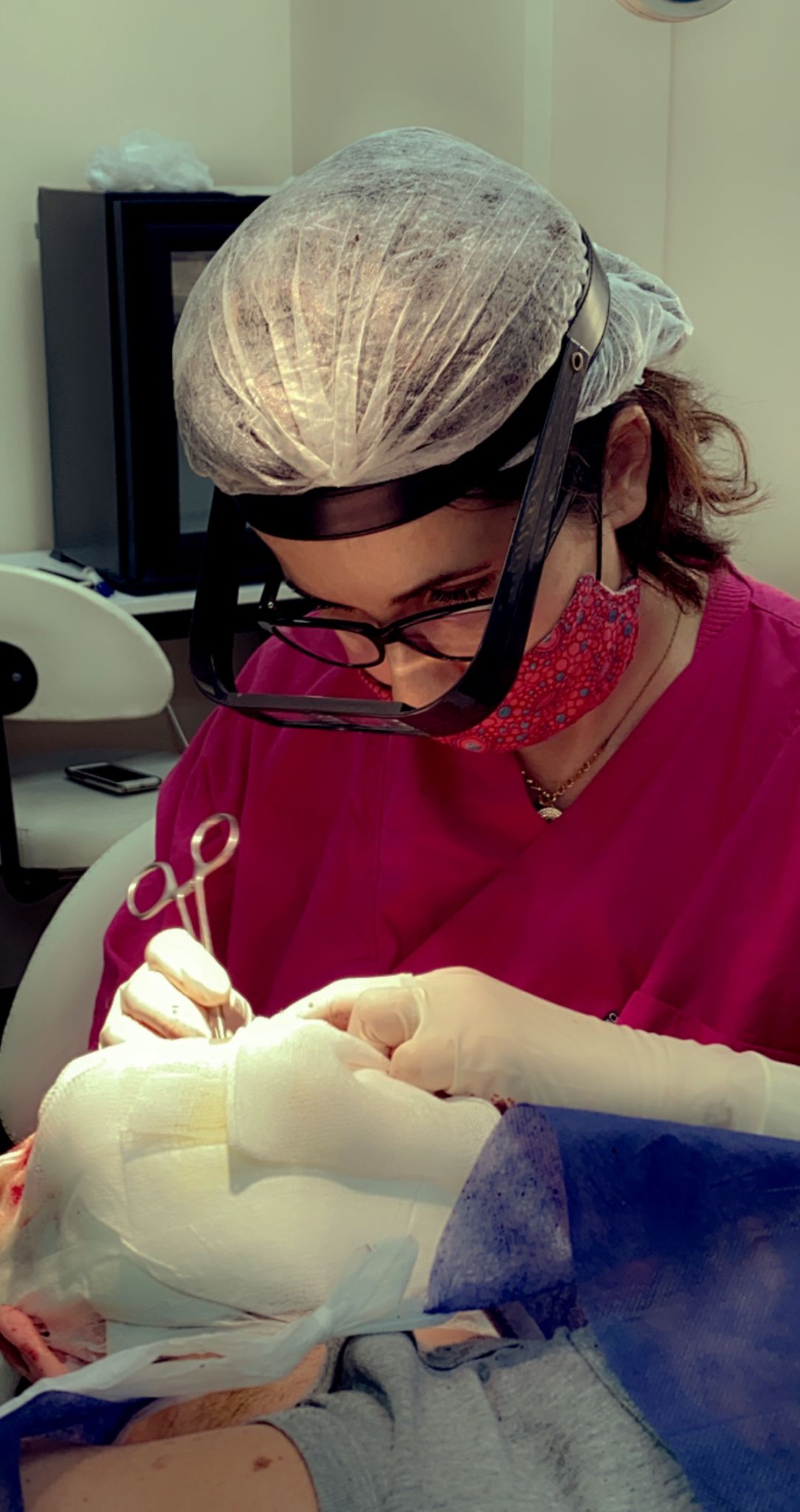
Hair transplantation is a specialized medical procedure that requires a high level of expertise and skill. It involves the careful extraction of hair follicles from one part of the body (usually the back or sides of the scalp) and their transplantation to areas experiencing hair loss. This delicate and intricate process must be carried out by qualified professionals to ensure the best results and minimize the risk of complications.
1. Qualified Physicians: Hair transplants should be performed by licensed physicians who are trained in hair restoration techniques. These physicians typically have a background in dermatology, plastic surgery, or general surgery. Their medical training and experience equip them with the knowledge to perform the procedure safely and effectively. It is important to choose a physician who is board-certified and has undergone specialized training in hair transplantation.
2. Experienced Hair Transplant Surgeons: Experience plays a crucial role in the success of hair transplants. Surgeons who have performed a significant number of hair transplant procedures are likely to have refined their techniques and developed a keen eye for detail. Look for surgeons who have a proven track record of successful results and positive patient reviews. Their experience ensures that they can handle various hair types, conditions, and complexities with confidence.
3. Specialized Technicians: In addition to physicians, hair transplant procedures often involve the assistance of specialized technicians. These technicians play a vital role in the preparation and implantation of hair follicles. They work under the supervision of the lead surgeon and must have extensive training in handling hair grafts. Their expertise in carefully placing each follicle ensures natural-looking results and optimal hair growth.
4. Certified Clinics: Choosing a certified and reputable clinic is essential for a successful hair transplant. Certified clinics adhere to strict medical standards and protocols, ensuring a safe and sterile environment for the procedure. They also invest in the latest technology and equipment, which can enhance the quality of the transplant. Always verify the credentials and certifications of the clinic before proceeding with the procedure.
5. Continuous Education and Training: The field of hair transplantation is constantly evolving, with new techniques and advancements emerging regularly. It is important for hair transplant professionals to engage in continuous education and training to stay up-to-date with the latest developments. Attending conferences, workshops, and hands-on training sessions allows them to refine their skills and offer the best possible outcomes for their patients.
In conclusion, hair transplants should be performed by qualified and experienced professionals who have undergone specialized training in hair restoration. Choosing the right physician and clinic ensures that you receive safe and effective treatment, resulting in natural-looking and satisfying results.
Things to Consider Before Getting a Hair Transplant
Hair transplantation can be a life-changing procedure for many individuals experiencing hair loss. However, it’s important to carefully consider several factors before undergoing the treatment to ensure the best possible outcomes. Here are some key points to keep in mind:
Research and Choose the Right Clinic:
Not all hair transplant clinics are created equal. It’s crucial to research and choose a reputable clinic with experienced and qualified professionals. Look for clinics with positive reviews, certifications, and a proven track record of successful procedures.
Consultation with a Specialist:
Schedule a consultation with a hair transplant specialist to discuss your specific needs and expectations. A thorough examination and assessment by the specialist will help determine if you are a good candidate for the procedure and what type of transplant is most suitable for you.
Understand the Procedure:
Educate yourself about the different hair transplant techniques, such as FUE (Follicular Unit Extraction) and FUT (Follicular Unit Transplantation). Understanding the procedures, their benefits, and potential risks will help you make an informed decision.
Assess Your Health Condition:
Your overall health plays a significant role in the success of the hair transplant. Ensure that you are in good health and discuss any underlying medical conditions or medications with your specialist. Conditions like diabetes, hypertension, or scalp infections should be managed before the procedure.
Realistic Expectations:
Set realistic expectations about the results. Hair transplantation can significantly improve your appearance, but it may not provide the density or coverage of your natural hair before hair loss. Discuss your goals with your specialist to have a clear understanding of what to expect.
Cost Considerations:
Hair transplant procedures can be costly, and prices can vary widely depending on the clinic, technique, and extent of the transplant. Ensure you understand the total cost, including post-operative care, and plan your budget accordingly.
Post-Operative Care:
Proper post-operative care is essential for the success of the transplant. Follow your specialist’s instructions regarding medication, washing, and physical activity. Understanding the recovery process and adhering to care guidelines will help achieve the best results.
Potential Risks and Complications:
Be aware of potential risks and complications, such as infection, scarring, or graft failure. Discuss these with your specialist and ensure you are well-prepared to handle any challenges that may arise during the recovery period.
Long-Term Commitment:
Hair transplantation is not a one-time fix. It requires a long-term commitment to maintaining the health of your hair and scalp. This may include ongoing treatments, medications, and lifestyle changes to support hair growth and prevent further hair loss.
Lifestyle Changes:
Consider any lifestyle changes that may be necessary before and after the procedure. This could include quitting smoking, reducing alcohol consumption, and adopting a healthier diet to support overall hair health.
Post-Hair Transplant Care Guidelines
Hair transplantation is a significant step toward restoring your hair and confidence. To ensure the best results and a smooth recovery, it’s essential to follow these post-hair transplant care guidelines:
Initial 48 Hours: Critical Period
Rest and Head Position:
Rest as much as possible during the first 48 hours.
Keep your head elevated while sleeping to minimize swelling. Use extra pillows to support your head.
Bandages and Dressings:
Follow your doctor’s instructions for removing or changing bandages. Usually, bandages are removed by the end of the first day.
Medications:
Take the prescribed antibiotics and painkillers regularly to reduce the risk of infection and manage pain.
First Week: Gentle Handling
Washing Instructions:
Wash your hair gently after 3 days using the special shampoo and lotions recommended by your doctor. Avoid using hot or cold water.
Do not massage your scalp while washing; let the water flow naturally to clean it.
Use of Hats and Caps:
Protect yourself from sunlight by wearing a hat. Opt for wide and comfortable hats instead of tight ones.
Avoid Scratching and Touching:
Refrain from scratching or touching the transplanted area. Itching is normal but can increase the risk of infection.
Second Week: Careful Movements
Physical Activities:
Avoid heavy exercise and intense physical activities that can cause sweating and increase the risk of infection.
Light walking is fine, but protect your head from any impacts.
Nutrition and Hydration:
Drink plenty of water to speed up your recovery. A protein-rich and balanced diet helps strengthen hair follicles.
First Month: Observing Progress
New Hair Growth:
The transplanted hair may start to fall out, known as shock loss, which is normal. New and permanent hair will begin to grow after this phase.
Doctor Appointments:
Attend regular doctor appointments to monitor your recovery. Your doctor will provide feedback and necessary recommendations.
Long-Term Care
Use of Hair Products:
Continue using the hair products recommended by your doctor. Minoxidil or Finasteride can support hair growth.
Avoid hair styling tools that involve chemicals or excessive heat.
Haircuts and Dyeing:
Avoid haircuts for the first few months. Once the transplanted area is completely healed, you can have your hair cut.
Consult your doctor before starting hair dyeing procedures. It is generally advised to avoid chemical treatments for the first 6 months.